


Light in interior
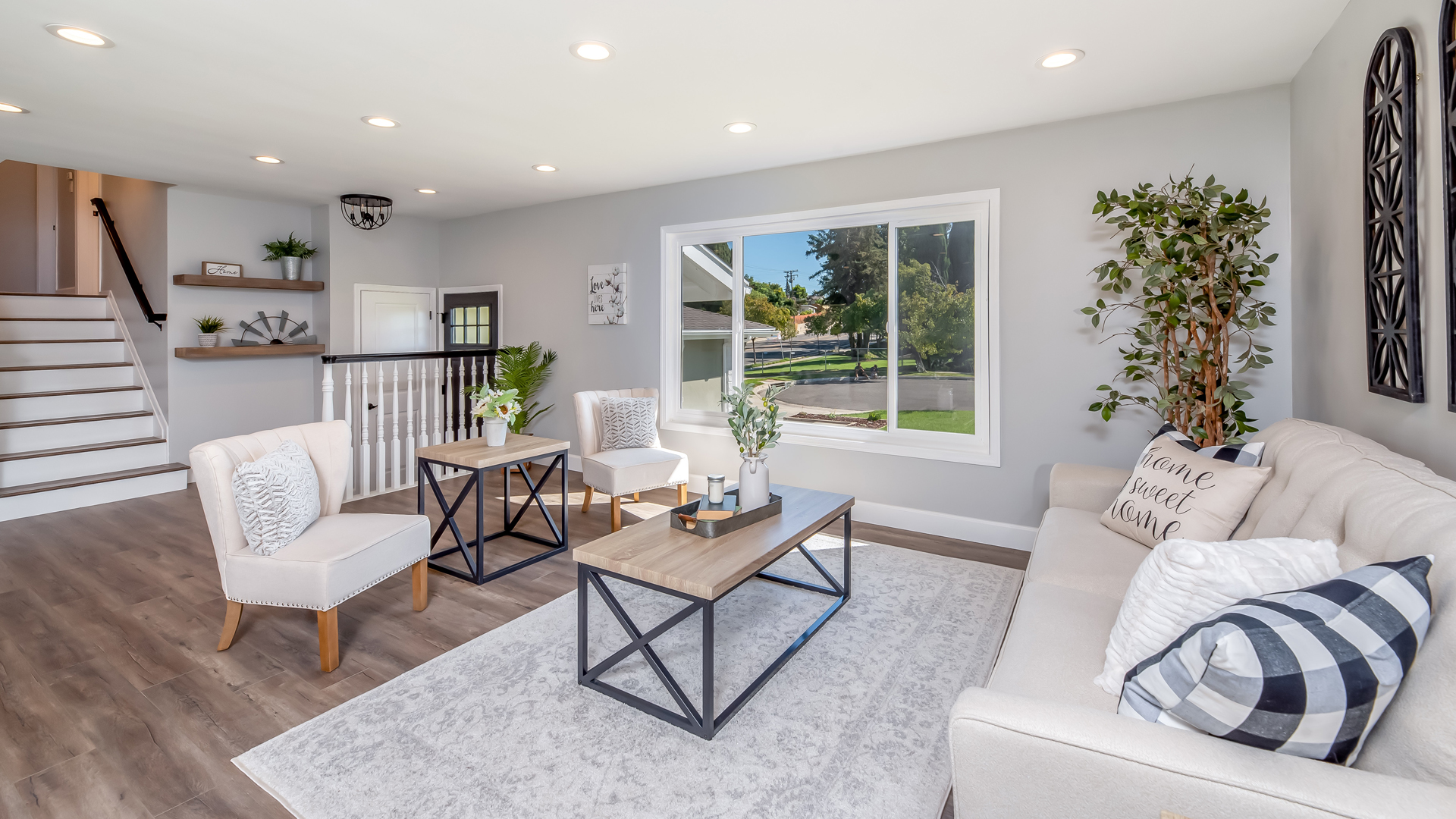
As the home improvement industry continues to grow, there is an increasing accent on lighting design for residential interiors. Lighting design has become an exquisite art form that can be used to create beautiful, inviting and functional living spaces. With the right combination of the lightings types, homeowners can adjust their lighting to create a unique atmosphere and enhance the beauty of their home.Even the most extraordinary interior design will lose its charm if it is not properly illuminated. A key element of any interior are sources of light, both natural and artificial. In the G&A Magic Of Light lighting store, you will find plenty of inspiration and solutions that will help to properly complement the interior.
Lighting is a critical aspect of interior design that can significantly influence the mood, ambiance, and functionality of a space. When planning the lighting for an interior, it's essential to consider the following key factors:
Natural Light: Incorporating natural light through windows, skylights, or other architectural features can create a welcoming and vibrant atmosphere. Maximizing natural light can also contribute to energy savings and promote a connection with the outdoors.
Layered Lighting: Implementing a layered lighting design that combines ambient, task, and accent lighting can add depth and versatility to the space. This approach allows for different lighting options to accommodate various activities and moods.
Ambient Lighting: This type of lighting provides overall illumination to the entire room. It sets the tone and general atmosphere, creating a comfortable and inviting environment. Ceiling-mounted fixtures, wall sconces, or pendant lights are commonly used for ambient lighting.
Task Lighting: Task lighting is crucial for specific activities, such as reading, cooking, or working. It should be carefully positioned to provide adequate illumination without causing glare or shadows. Desk lamps, under-cabinet lights, and adjustable track lighting are examples of task lighting solutions.
Accent Lighting: Accent lighting is used to highlight architectural features, artwork, or decorative elements within the interior. It adds visual interest and creates a focal point, contributing to the overall aesthetic appeal of the space. Track lights, recessed spotlights, and wall-mounted fixtures are often used for accent lighting.
Color Temperature: Selecting the appropriate color temperature for the lighting can influence the mood and ambiance of the room. Warm white light (2700K-3000K) creates a cozy and intimate atmosphere, while cool white light (3500K-4100K) is more energizing and suitable for task-oriented spaces.
Fixture Styles: Choosing lighting fixtures that complement the overall design aesthetic of the interior is essential. Whether it's modern, traditional, or eclectic, the style and design of the fixtures should align with the overall theme and enhance the visual appeal of the space.
Dimmers and Controls: Incorporating dimmers and lighting controls allows for easy adjustment of light levels to create different atmospheres for various activities and occasions. It provides flexibility and enhances energy efficiency by allowing users to customize the lighting according to their needs.
Energy Efficiency: Opting for energy-efficient lighting solutions, such as LED bulbs and fixtures, not only reduces energy consumption but also contributes to cost savings and environmental sustainability.
When designing the lighting for an interior space, it's crucial to strike a balance between functionality and aesthetics while considering the specific requirements and activities that will take place within the area. Working with a professional interior designer or lighting specialist can help ensure that the lighting design effectively enhances the overall appeal and functionality of the space.


